For nearly a century, First Federal Bank of Kansas City has been committed to homeownership for all. That’s why we offer a variety of loan options as well as programs that can help with your down payment or interest rate. Our local team is here to help you find a loan that's right for you and guide you through the process from application to closing. Get pre-qualified today, or see what rates you can expect with a free rate quote.
Which mortgage is best for me?

Conventional Mortgages
We offer a straight-forward mortgage with the flexibility to choose from fixed or adjustable interest rates and a range of loan terms to fit your financial goals. Explore the process and get pre-qualified today.

FHA Loans
An FHA Loan is backed by the Federal Housing Administration and can help make buying a home more affordable with lower down payment requirements.

VA Loans
The Veterans Affairs (VA) Loan is an option for our active-duty military members and veterans. It offers a fixed rate and features no down payment.

Physician Loans
Our unique Physician Loan program brings the vision of homeownership to life for medical professionals1. It offers no down payment and no private mortgage insurance.

Want to talk through your options? We're here to help you explore the possibilities, identify resources you may qualify for, and find the loan that's right for you. Contact our team today!
Talk to usCommunity Loan Programs
As a true community bank, we're committed to opening the door to homeownership for all. Eligible borrowers can access down payment assistance, lower rates, and more. Explore our loan programs or talk to a loan specialist to see if you qualify.

Better Together Home Loan Program
Our Better Together Home Loan Program can help you buy or refinance a home in a low-to-moderate-income census tract with a grant of up to $2,500 for closing costs or down payment assistance.
Learn more
Hometown Heroes Loan Program
Our Hometown Heroes mortgage loan program is built especially for teachers, nurses, and first responders.2 It features a special interest rate discount and down payment assistance.
Learn more
ITIN Loan Program
Every family deserves a path to homeownership. Our ITIN program serves non-residents with individual tax identification numbers.
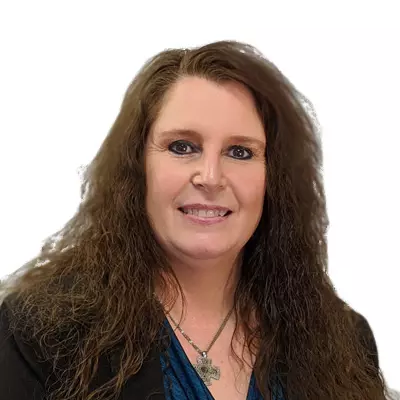
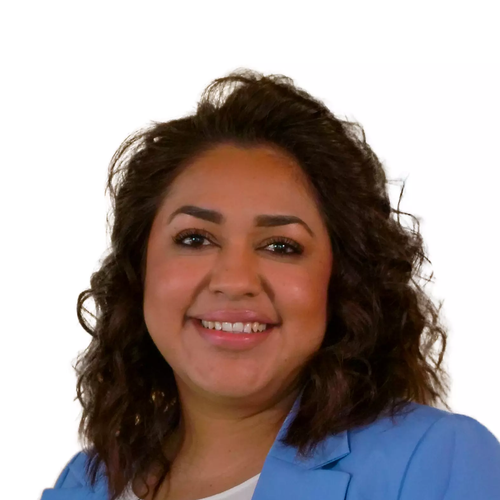
Learn moreMeet our loan originators
Whether you're buying your first home, moving to a new one, or refinancing, our team is readily available to help you start your journey to being a homeowner.


We've got your back
Our team of home loan consultants is ready to answer questions and help you navigate the process. Fill out this form and we'll be in touch with you soon!
Understanding mortgages
Get the info you need on mortgages by browsing the topics below. Or, contact us and we’ll be happy to answer your questions!


How does a mortgage work?
A mortgage is a loan you use to purchase a home. You contribute a down payment, and your bank finances the rest of the purchase price. For example, if you buy a $400,000 home and put 10% down ($40,000), your mortgage would be $360,000.
You then repay the mortgage through monthly payments over a term or your choice, such as 15 or 30 years. Your payment includes principal (the amount you borrowed), interest (the cost of borrowing), and, depending on your loan, amounts for property taxes and homeowners insurance. As you make payments, your loan balance decreases and you build equity in your home.
How much do I need for a down payment?
There isn't one down payment amount that works for everyone, but putting 20% or more down can allow you to avoid private mortgage insurance (PMI) on conventional loans. Different loan programs, such as FHA or VA loans can allow for a lower down payment, depending on the loan program and your financial situation.
A lower down payment can help you buy a home sooner while keeping more cash available for closing costs, moving expenses, and other needs. A larger down payment generally means borrowing less and can lower your monthly payment.
What’s the difference between a fixed and adjustable rate mortgage?
With a fixed-rate mortgage, your interest rate stays the same for the entire loan term. That makes your principal and interest payment predictable and easier to budget for.
With an adjustable-rate mortgage (ARM), the interest rate can adjust periodically based on market conditions. An ARM may offer a lower initial rate, but your rate and payment could increase or decrease later.
What are closing costs?
Closing costs are the expenses you pay to finalize your home purchase and mortgage. They typically range from 2% to 5% of the home’s purchase price, though the amount can vary depending on your loan type, location, and other factors.
Common closing costs may include:
- Home appraisal — An assessment of the home’s value, typically required by the lender.
- Application or loan fees — Fees associated with processing your mortgage.
- Mortgage insurance — May be required depending on your loan type and down payment.
- Homeowners insurance — Coverage for your new home that may be required before closing.
- Escrow funds — Money collected upfront for expenses such as property taxes and insurance.
Your exact closing costs will depend on your specific loan. Our team can help you understand what to expect before closing.
What are my options for the length of my mortgage and how will that affect my payments?
We have a number of loan terms available to fit your needs. Generally, a shorter loan term means higher monthly payments but less interest paid over the life of the loan. A longer term typically means lower monthly payments but more total interest.
For example, a 15-year mortgage can help you pay off your home faster and build equity more quickly, while a 30-year mortgage can provide a lower monthly payment and more flexibility in your monthly budget.
How does an escrow work?
An escrow account helps you spread certain homeownership expenses across your monthly payments. Instead of paying your property taxes and homeowners insurance separately when they're due, your mortgage servicer may collect a portion of those costs each month and hold the money in an escrow account.
When your tax or insurance bills come due, the servicer uses the funds in the account to pay them on your behalf. Your monthly payment can change over time if your property taxes or insurance costs change.
How long will it take to build equity in my home?
You build equity by paying your mortgage and as your home's value increases. Your equity is essentially the portion of your home that you own outright—your home's current value minus what you still owe on your mortgage.
You start building equity with your down payment, and each mortgage payment generally adds to your equity as you reduce your principal balance. In the early years of a traditional mortgage, however, a larger portion of your payment goes toward interest, so principal typically gets paid down more slowly at first.
Why do I pay more in interest at the beginning of my loan?
Your mortgage payment is calculated based on your loan amount, interest rate, and term. At the beginning of the loan, you have your largest outstanding balance, which means more interest accrues each month.
As you make payments and reduce your principal balance, the amount of interest charged each month decreases. That means more of your payment goes toward principal over time, even though your scheduled principal-and-interest payment remains the same (if you have a fixed-rate mortgage.)
How much home can I afford?
The amount you can afford depends on more than your income. Your monthly debts, down payment, interest rate, property taxes, homeowners insurance, and other expenses all play a role.
A good starting point is to think about what monthly payment fits comfortably within your budget. Use our home affordability calculator to explore what your monthly payment could look like.
1 Eligible borrowers include interns, residents, fellows, and licensed medical professionals practicing within 10 years of residency completion. Physician is defined as one who is a Doctor of Medicine (MD), Doctor of Osteopathic Medicine (DO), Nurse Practitioner (NP), Physician Associate (PA), Doctor of Dental Surgery (DDS), Doctor of Dental Medicine (DMD), Doctor of Pharmacy (PharmD), Doctor of Podiatric Medicine (DPM), Doctor of Science (DS), Doctor of Optometry (OD), or Doctor of Physical Therapy (DPT). Applicable to purchases of a primary residence in the Kansas City MSA only.
2 Eligible borrowers must be currently employed as a firefighter, EMT, paramedic, nurse, teacher or law enforcement officer at the time of application and closing. Applies to purchases, refinances, and cash-out refinances of owner occupied primary residences. Subject to credit approval. Rates, terms, and conditions subject to change.